Summary
This blog post advocates for chemical-free pest control, highlighting the detrimental effects of synthetic pesticides on human health and the environment. It promotes a multi-pronged, natural approach encompassing beneficial insects, companion planting, and physical barriers. Specific natural pest control products like neem oil, diatomaceous earth, and insecticidal soaps are detailed. The post emphasizes a proactive strategy involving preventative measures, regular monitoring, and targeted treatments using these natural methods to maintain a healthy garden ecosystem while minimizing pest damage.
The Growing Need for Chemical-Free Pest Control
The ubiquitous use of chemical pesticides in modern agriculture and gardening presents a significant threat to both human health and the environment. These synthetic chemicals, designed to eliminate pests, often have far-reaching consequences, impacting non-target organisms like beneficial insects, birds, and even mammals. The long-term effects of pesticide exposure on human health are increasingly concerning, with studies linking them to a range of problems, from neurological disorders to hormonal imbalances and increased cancer risk. Furthermore, the persistent nature of many pesticides leads to soil and water contamination, disrupting delicate ecosystems and harming biodiversity. The runoff from agricultural fields pollutes waterways, impacting aquatic life and potentially contaminating drinking water sources.
Fortunately, a growing movement towards chemical-free pest control offers a safer and more sustainable alternative. This approach prioritizes natural methods that minimize harm to the environment and human health while effectively managing pest populations. By embracing natural pest control strategies, we can protect beneficial insects that play crucial roles in pollination and natural pest regulation. We can also safeguard the health of our families and communities by avoiding exposure to harmful chemicals. The benefits extend beyond immediate health concerns; a chemical-free approach contributes to a healthier planet, preserving biodiversity and protecting the delicate balance of our ecosystems for future generations. This shift towards natural methods is not merely a trend; it’s a necessary step towards a more sustainable and responsible approach to pest management.
Natural Pest Control Methods: A Multi-pronged Approach
Effective chemical-free pest control relies on a multifaceted strategy that integrates several natural methods. These methods work synergistically, creating a robust defense against pests while minimizing environmental impact. Three key approaches are particularly effective: introducing beneficial insects, employing companion planting techniques, and establishing physical barriers.
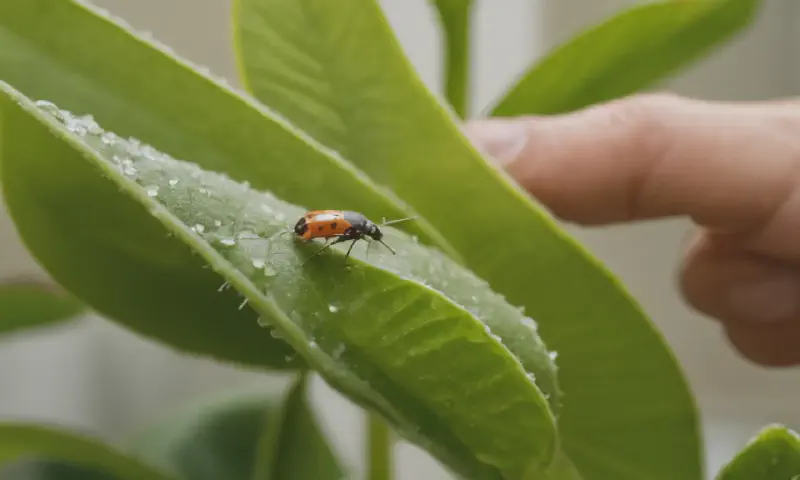
Beneficial Insects: Nature’s Pest Control Squad: Many insects are natural predators or parasites of common garden pests. Introducing these beneficial insects into your garden can significantly reduce pest populations without the need for harmful chemicals. Ladybugs, for example, are voracious aphid eaters, while lacewings effectively control mealybugs and other soft-bodied insects. Praying mantises are generalist predators, feeding on a wide range of pests. Attracting these beneficial insects involves providing them with suitable habitat and food sources. Planting flowering plants that provide nectar and pollen will attract many beneficial insects. Avoid using broad-spectrum insecticides, as these will kill beneficial insects along with the pests. Consider purchasing beneficial insects from reputable suppliers and releasing them strategically throughout your garden.
Companion Planting: Strategic Garden Design: Companion planting leverages the natural interactions between different plant species to deter pests and promote healthy growth. Certain plants repel pests, while others attract beneficial insects or improve the overall health of neighboring plants. For example, planting basil near tomatoes can help repel tomato hornworms, while marigolds are known to repel nematodes and other soil-borne pests. Similarly, planting strong-smelling herbs like rosemary and mint can deter many insects. Careful planning and research into plant compatibility are crucial for successful companion planting. Consider creating a diverse garden with a mix of plants that complement each other and provide a natural defense against pests.
Physical Barriers: Keeping Pests at Bay: Simple physical barriers can be highly effective in preventing pests from accessing your plants. Row covers, for instance, create a physical barrier that protects plants from many insects while still allowing sunlight and air to reach them. These covers are particularly useful for protecting young seedlings and vulnerable plants. Mesh netting can be used to protect fruits and vegetables from birds and other animals. Sticky traps can be effective in monitoring and controlling certain flying insects like whiteflies and aphids. For soil-borne pests, consider using mulch to create a physical barrier and regulate soil moisture. These physical barriers offer a non-toxic way to protect your plants and minimize pest damage. Regular inspection and maintenance of these barriers are essential to ensure their effectiveness.
Harnessing Nature’s Power: Natural Pest Control Products
Beyond employing beneficial insects and strategic planting, several readily available natural products offer effective pest control. These products, derived from natural sources, pose significantly less risk to human health and the environment compared to synthetic pesticides. Three particularly useful options are neem oil, diatomaceous earth, and insecticidal soaps.
Neem Oil: A Multi-Purpose Natural Insecticide: Derived from the neem tree (Azadirachta indica), neem oil acts as a natural insecticide, fungicide, and miticide. It disrupts the life cycle of many insects, preventing them from feeding, mating, and laying eggs. Neem oil is effective against a wide range of pests, including aphids, whiteflies, mealybugs, and spider mites. It works by interfering with the insect’s hormonal system, causing them to stop feeding and eventually die. Neem oil is relatively safe for beneficial insects and pollinators when used as directed, making it a valuable addition to an integrated pest management strategy. It’s important to note that neem oil is most effective as a preventative measure or on young insects. It’s crucial to follow label instructions carefully, as overuse can harm plants.
Diatomaceous Earth (DE): A Physical Pest Control Agent: Diatomaceous earth is a naturally occurring sedimentary rock composed of fossilized diatoms. Its microscopic particles are sharp and abrasive, causing physical damage to insects’ exoskeletons, leading to dehydration and death. DE is particularly effective against crawling insects like ants, slugs, and earwigs. It’s a non-toxic and environmentally friendly option, safe for pets and humans when used appropriately. However, it’s important to use food-grade diatomaceous earth for applications around food crops or where pets may come into contact with it. Avoid inhaling DE dust, as it can irritate the lungs. Apply DE as a dust around the base of plants or in areas where pests are prevalent.
Insecticidal Soaps: A Contact Killer: Insecticidal soaps are potassium salts of fatty acids, derived from natural oils like coconut or soybean oil. They work by disrupting the cell membranes of insects, causing them to dehydrate and die. Insecticidal soaps are effective against soft-bodied insects like aphids, mealybugs, and spider mites. They are generally safe for beneficial insects and pollinators when used correctly, but avoid spraying them directly onto flowering plants to protect pollinators. Insecticidal soaps are contact killers, meaning they must directly contact the insect to be effective. Thorough coverage is crucial for optimal results. Reapplication may be necessary, depending on the severity of the infestation.
Implementing a Chemical-Free Pest Control Strategy
Successfully implementing a chemical-free pest control strategy requires a proactive and observant approach. It’s not about eliminating all pests—a completely pest-free environment is unrealistic and often unhealthy—but rather about managing pest populations to a level that doesn’t significantly impact plant health or human well-being. This involves a combination of preventative measures, regular monitoring, and targeted treatments when necessary.
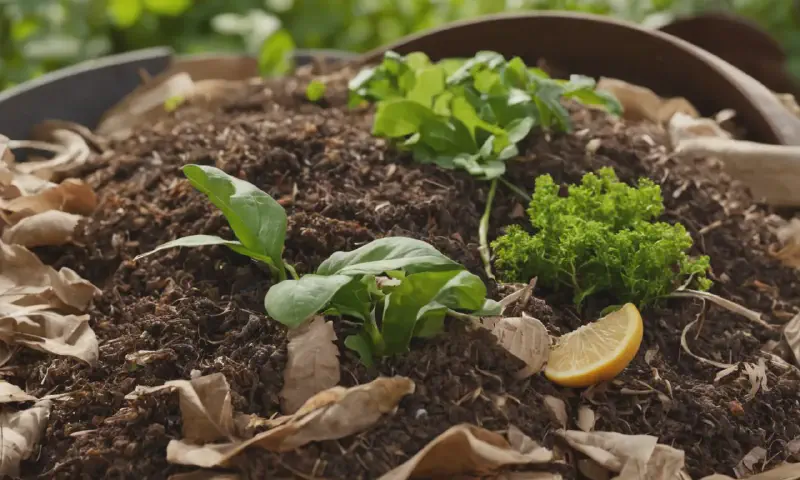
Preventative Measures: A Proactive Approach: Prevention is key to minimizing pest problems. This starts with selecting healthy, disease-resistant plant varieties suited to your climate and soil conditions. Proper planting techniques, including appropriate spacing and adequate watering, contribute to strong plant growth, making them less susceptible to pests. Maintaining a clean garden is crucial; remove weeds, fallen leaves, and plant debris that can harbor pests. Composting organic matter properly helps prevent pest build-up. Regularly inspect new plants before introducing them to your garden to avoid introducing pests.
Regular Monitoring: Early Detection is Crucial: Regularly inspect your plants for signs of pest infestation. Early detection allows for prompt intervention, preventing minor problems from escalating into major infestations. Check both the upper and lower surfaces of leaves, stems, and buds. Look for signs of damage, such as holes in leaves, wilting, or the presence of insects or their eggs. Sticky traps can be helpful in monitoring flying insects. Keeping a garden journal can help track pest activity and the effectiveness of your control methods.
Targeted Treatments: Addressing Specific Problems: When pests are detected, employ targeted treatments using the natural methods discussed earlier. Start with the least invasive methods, such as physical barriers or beneficial insects. If necessary, use natural products like neem oil, diatomaceous earth, or insecticidal soaps. Always follow label instructions carefully and apply treatments only when necessary, focusing on the affected areas rather than blanket spraying the entire garden. Remember that many natural pest control methods require repeated applications for optimal effectiveness. Patience and persistence are key to success.