Summary
Xeriscaping is a water-wise landscaping approach that uses native, drought-tolerant plants to create beautiful, low-maintenance gardens. It significantly reduces water consumption, saving money and protecting the environment by minimizing energy use and supporting local ecosystems. Successful xeriscaping involves careful plant selection based on sun exposure, soil type, and local rainfall, followed by proper planting and mulching to establish deep root systems and minimize supplemental watering. While initial care is important, established xeriscapes require minimal maintenance, creating a sustainable and visually appealing landscape.
Xeriscaping: A Water-Wise Approach to Landscaping
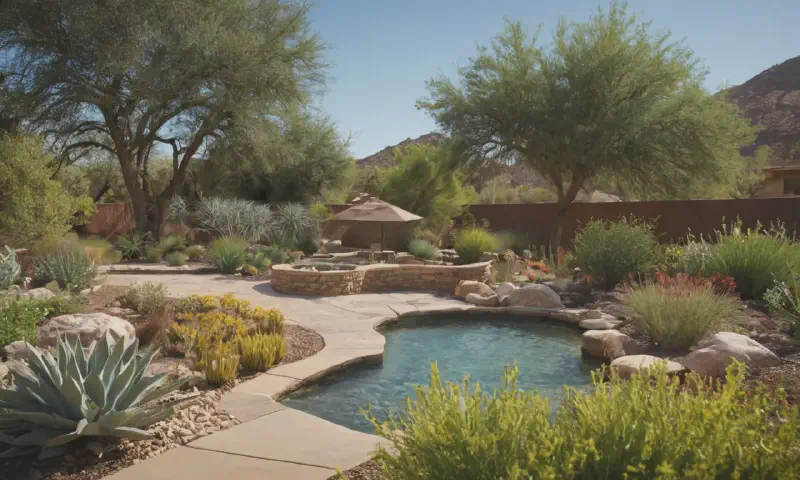
Xeriscaping is a landscaping design approach that emphasizes water conservation. It’s not about creating a barren, lifeless landscape; rather, it’s about creating a beautiful and thriving garden that requires minimal irrigation. The core principle of xeriscaping lies in selecting and strategically placing plants that are naturally adapted to the local climate, minimizing the need for supplemental watering. This approach offers numerous benefits beyond simply saving water.
Firstly, xeriscaping significantly reduces water consumption, a crucial factor in regions facing water scarcity or drought conditions. By reducing reliance on irrigation, we conserve a precious natural resource and lessen the strain on municipal water supplies. This water conservation translates directly into cost savings on water bills, making xeriscaping a financially responsible choice for homeowners.
Beyond the economic advantages, xeriscaping contributes significantly to environmental protection. Reduced water usage minimizes the energy required for pumping and treating water, lowering greenhouse gas emissions. Furthermore, xeriscaping often involves the use of native plants, which support local ecosystems by providing habitat and food sources for native pollinators and wildlife. These native plants are naturally adapted to the local climate and soil conditions, reducing the need for fertilizers and pesticides, further minimizing environmental impact.
Finally, the beauty of a well-designed xeriscaped garden is undeniable. By carefully selecting plants with varying textures, colors, and heights, a visually appealing and diverse landscape can be created, showcasing the natural beauty of drought-tolerant species. The key to achieving this aesthetic success lies in the strategic use of native, drought-tolerant plants, which are perfectly adapted to thrive with minimal intervention. The following sections will delve deeper into selecting, planting, and maintaining these vital components of a successful xeriscape.
Selecting the Right Plants for Your Xeriscape
Choosing the appropriate drought-tolerant native plants is crucial for the success of your xeriscape. This selection process goes beyond simply picking plants that look appealing; it requires careful consideration of several key factors specific to your region and microclimate. Ignoring these factors can lead to plant stress, poor growth, and ultimately, the failure of your xeriscape.
Understanding Your Microclimate: Your garden’s microclimate differs from the broader regional climate. Factors such as sun exposure, soil type, and local rainfall patterns significantly influence plant survival and growth. Start by assessing your garden’s specific conditions.
Sun Exposure: Determine how much direct sunlight your garden receives throughout the day. Plants are categorized as sun-loving (full sun, 6+ hours of direct sunlight), part-sun (4-6 hours), or shade-loving (less than 4 hours). Selecting plants that match your garden’s sun exposure is paramount. For instance, a plant requiring full sun placed in a shady area will struggle to thrive.
Soil Type: The soil’s texture (sandy, loamy, or clay), drainage, and pH level all impact plant health. Sandy soils drain quickly, requiring more frequent (but less intense) watering, while clay soils retain water, potentially leading to root rot if not properly amended. Knowing your soil type allows you to choose plants adapted to its specific characteristics. A soil test can provide valuable insights into your soil’s composition and pH.
Local Rainfall Patterns: Your region’s average annual rainfall and its distribution throughout the year are critical considerations. Plants adapted to arid climates will require less supplemental watering than those from more humid regions. Understanding your local rainfall patterns helps you select plants that can tolerate the natural precipitation levels.
Regional Variations: Native plant selections vary significantly across regions. What thrives in one area might struggle in another due to differences in climate, soil, and other environmental factors. Consult local nurseries or gardening resources to identify plants native to your specific region. These resources can provide valuable information on plants well-suited to your local conditions. Consider joining local gardening groups or contacting your local agricultural extension office for expert advice tailored to your area. They can offer personalized recommendations based on your specific microclimate and soil conditions. By carefully considering these factors, you can create a thriving xeriscape that requires minimal maintenance and maximizes water conservation.
Drought-Tolerant Native Plant Examples
The following examples showcase a small selection of drought-tolerant native plants suitable for various xeriscape designs. Remember to always verify the specific needs of a plant with your local nursery or gardening resources, as regional variations exist.
1. Lavender (Lavandula angustifolia): A classic choice, lavender thrives in full sun and well-drained soil. Its fragrant purple flowers (though variations exist) attract pollinators and add a beautiful scent to the garden. Reaching heights of 1-3 feet, it’s ideal for borders, rock gardens, or even container gardening. Its silvery foliage adds textural interest even when not in bloom.
2. Coneflower (Echinacea purpurea): A North American native, coneflowers are known for their daisy-like blooms in shades of purple, pink, and white. They prefer full sun to partial shade and well-drained soil. Growing 2-4 feet tall, they are excellent for attracting butterflies and beneficial insects. Coneflowers are versatile and suitable for meadows, borders, or wildflower gardens.
3. Yarrow (Achillea millefolium): This hardy perennial boasts feathery foliage and flat-topped clusters of small flowers in various colors, including white, yellow, and pink. Yarrow tolerates full sun and poor, dry soils, making it a perfect choice for low-maintenance xeriscapes. Reaching heights of 1-3 feet, it’s suitable for borders, rock gardens, or mass plantings.
4. Sedum (Sedum spp.): Also known as stonecrop, sedums are succulents that come in a wide variety of sizes, colors, and forms. They are incredibly drought-tolerant and thrive in full sun and well-drained soil. Many sedums offer interesting fall foliage colors and attract pollinators. They are versatile and can be used in rock gardens, groundcovers, or as part of a mixed border.
5. Russian Sage (Perovskia atriplicifolia): This woody perennial boasts silvery-gray foliage and tall spikes of lavender-blue flowers. It thrives in full sun and well-drained soil, tolerating heat and drought exceptionally well. Reaching heights of 3-4 feet, it’s a striking addition to borders, mixed plantings, or as a backdrop for smaller plants.
6. Black-eyed Susan (Rudbeckia hirta): A cheerful wildflower, black-eyed Susans feature bright yellow petals surrounding a dark brown central cone. They prefer full sun and well-drained soil, though they can tolerate some shade. Growing 1-3 feet tall, they are excellent for meadows, wildflower gardens, or cottage gardens. They are also attractive to pollinators.
7. Penstemon (Penstemon spp.): This genus offers a wide variety of species with diverse flower colors and heights. Many penstemons are drought-tolerant and prefer full sun to partial shade and well-drained soil. They attract hummingbirds and are suitable for rock gardens, borders, or mixed plantings. Their tubular flowers are a unique addition to any xeriscape.
Remember that this is just a starting point. Research plants native to your specific region to ensure their suitability for your local climate and soil conditions. Consulting with local nurseries and gardening experts will further enhance your xeriscaping success.
Planting and Maintaining Your Drought-Tolerant Garden
Successfully establishing and maintaining a xeriscape requires proper planting and ongoing care, though significantly less than traditional lawns. Soil preparation is key. Before planting, amend your soil to improve drainage and fertility if necessary. For clay soils, incorporate organic matter like compost to improve drainage and aeration. Sandy soils may benefit from the addition of organic matter to retain moisture. A soil test can guide you in determining the best amendments for your specific soil type.
Initial watering is crucial for establishing new plants. Water deeply and thoroughly immediately after planting to help roots establish themselves. Subsequent watering should be infrequent but deep, encouraging deep root growth, which is essential for drought tolerance. Avoid frequent, shallow watering, which can lead to shallow root systems and increased vulnerability to drought. Once established, most drought-tolerant natives require minimal supplemental watering, relying primarily on natural rainfall.
Mulching is a vital practice in xeriscaping. A layer of organic mulch, such as shredded bark or wood chips, helps retain soil moisture, suppress weeds, and regulate soil temperature. Mulch reduces evaporation, minimizing the need for supplemental watering. Apply a 2-4 inch layer of mulch around plants, keeping it a few inches away from the stems to prevent rot.
Fertilization is generally minimal for established drought-tolerant plants. Over-fertilizing can stimulate excessive growth, making plants more susceptible to drought stress. If fertilization is needed, opt for slow-release, organic fertilizers applied sparingly in early spring. Observe your plants; healthy growth indicates adequate nutrients. Remember, the goal is to create a self-sustaining ecosystem that requires minimal intervention. By following these guidelines, you can ensure the long-term health and beauty of your drought-tolerant native plant garden.