Summary
Pruning flowering plants is crucial for their health and vibrancy, impacting bloom size, frequency, longevity, and disease resistance. Proper techniques, using sharp tools like hand pruners, loppers, and saws (while prioritizing safety with gloves and eyewear), include pinching, shearing, heading, thinning, and rejuvenation pruning, each suited to different plant types and goals. Different flowering plants (shrubs, climbers, roses, perennials) have specific pruning needs and timing (often after flowering for old wood bloomers, before new growth for new wood bloomers), with common mistakes including incorrect timing and improper cutting techniques. Regular, light pruning is generally preferred over infrequent, drastic cuts.
The Importance of Pruning Flowering Plants
Pruning, often perceived as a simple garden chore, is actually a crucial skill for cultivating healthy and vibrant flowering plants. Proper pruning techniques significantly impact a plant’s health, influencing its bloom size and frequency, overall longevity, and even its resistance to disease. Neglecting pruning can lead to leggy growth, reduced flowering, and increased susceptibility to pests and diseases. Conversely, skillful pruning encourages bushier growth, more abundant blooms, and a longer lifespan for your beloved plants.
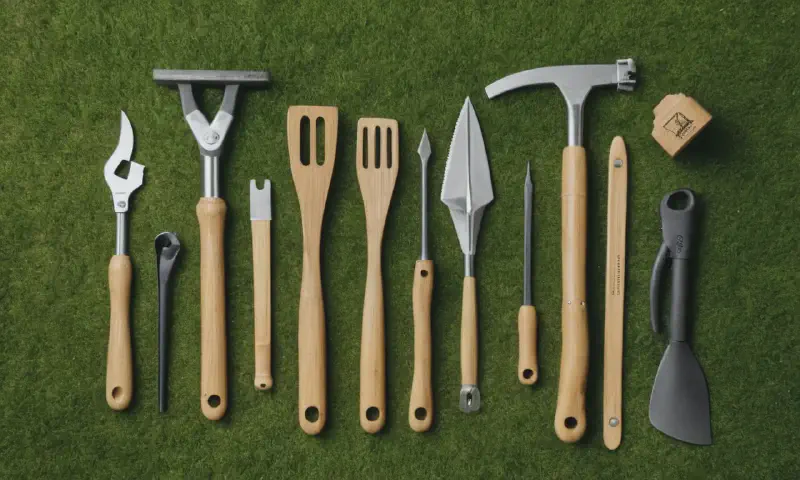
Before embarking on any pruning project, it’s essential to gather the right tools and prioritize safety. The basic toolkit includes:
- Hand pruners: Ideal for smaller stems and delicate plants. Choose sharp, bypass pruners that cleanly cut through branches without crushing them.
- Loppers: Necessary for thicker branches that are too large for hand pruners. Again, sharp blades are crucial for a clean cut.
- Pruning saw: Used for removing very thick branches or woody stems. A sharp saw minimizes damage to the plant.
- Gloves: Protect your hands from thorns, scratches, and sap. Thick leather gloves are recommended for working with thorny plants.
- Safety glasses: Protect your eyes from flying debris.
Safety is paramount. Always wear appropriate clothing and footwear, and be mindful of your surroundings. Avoid pruning in wet conditions, as this can increase the risk of slips and falls. When working with larger plants or tools, consider using a sturdy ladder or step stool and ensure it’s placed on a stable surface. Sharp tools should be handled with care and stored safely when not in use. Finally, always be aware of overhead power lines and other potential hazards. By following these simple safety precautions, you can ensure a safe and productive pruning experience.
Different Pruning Methods for Flowering Plants
Several pruning methods cater to different plant needs and desired outcomes. Understanding these techniques is key to successful pruning.
1. Pinching: This involves removing the growing tip of a stem, usually with your fingers or small hand pruners. Pinching encourages bushier growth by stimulating lateral buds to develop, resulting in a fuller, more compact plant. It’s particularly useful for young plants and those that tend to become leggy. Examples include pinching back the tips of petunias or impatiens to promote more flowers.
2. Shearing: Shearing involves using hand shears or hedge trimmers to create a uniform shape and size. It’s best suited for hedges and shrubs that tolerate this type of pruning, such as boxwoods or privet. Shearing removes the growing tips of many stems simultaneously, promoting dense growth and maintaining a neat appearance. However, it can be detrimental to plants that don’t readily produce new growth from interior buds. Over-shearing can lead to a dense, unhealthy interior prone to disease.
3. Heading: Heading involves cutting back a stem to a bud or node, typically just above a leaf or branch. This encourages branching from below the cut, resulting in a more compact and fuller plant. It’s a versatile technique used for many flowering plants, including shrubs and roses. Heading back encourages more flowers on the new growth. The timing of heading is crucial; it’s often done after flowering to shape the plant and promote new growth for the next flowering season.
4. Thinning: Thinning involves removing entire branches back to their point of origin on the main stem or trunk. Unlike heading, which stimulates branching, thinning reduces the overall density of the plant. This improves air circulation, reduces the risk of disease, and allows more sunlight to reach the interior of the plant. It’s particularly beneficial for older plants or those that have become overcrowded. Thinning is often used on roses, fruit trees, and large shrubs to maintain their shape and health. It’s important to make clean cuts close to the main stem to avoid leaving stubs.
5. Rejuvenation Pruning: Rejuvenation pruning is a more drastic technique used for older, overgrown, or neglected plants. It involves removing a significant portion of the plant’s growth, often cutting back to the main stems or even to the ground. This encourages vigorous new growth and can revitalize an aging plant. However, it’s a drastic measure and should only be used when necessary. The plant may not flower as profusely in the first year or two after rejuvenation pruning, but it will eventually recover and produce more vigorous growth. This method is often used for overgrown shrubs or perennials that have become woody and unproductive. Careful planning and execution are crucial for successful rejuvenation pruning. Knowing the plant’s growth habit and tolerance is essential before undertaking this method.
Pruning Specific Flowering Plants
This section provides tailored pruning advice for various flowering plant types, categorized by growth habit. Remember to always use sharp, clean tools and follow safety precautions.
Shrubs: Shrub pruning varies depending on the species and desired shape. Many flowering shrubs bloom on old wood (last year’s growth), so pruning should ideally be done after flowering. Examples include hydrangeas (prune lightly after flowering), potentillas (prune lightly in spring), and spirea (prune after flowering or in early spring for some varieties). For shrubs that bloom on new wood (current year’s growth), such as butterfly bushes and crape myrtles, prune in late winter or early spring before new growth begins. This encourages vigorous new growth and abundant blooms. Generally, remove dead, damaged, or crossing branches, and thin out the interior to improve air circulation.
Climbers: Climbing plants require specific pruning techniques to support their growth and encourage flowering. Clematis, for example, bloom on old wood (at the base of the plant) and new wood (at the tips of the stems). Prune old wood lightly after flowering and new wood in late winter or early spring. Roses, another type of climber, require more specific pruning depending on the type (hybrid tea, floribunda, etc.). Generally, deadheading (removing spent flowers) is crucial for continuous blooming. More extensive pruning is usually done in late winter or early spring, removing dead, damaged, or crossing canes and shaping the plant.
Roses: Rose pruning is crucial for healthy growth and abundant blooms. Different rose types require slightly different approaches. Hybrid tea roses, known for their large, single blooms, benefit from more significant pruning in late winter or early spring, removing about one-third to one-half of the canes. Floribunda roses, which produce clusters of smaller blooms, require less drastic pruning. In both cases, remove dead, diseased, or crossing canes, and thin out the center of the plant to improve air circulation. Regular deadheading throughout the growing season encourages continuous blooming.
Perennials: Perennials generally require less frequent pruning than shrubs or roses. Deadheading spent flowers encourages more blooms and prevents seed production, which can exhaust the plant. In late fall or early spring, cut back the foliage of most perennials to the ground, removing any dead or diseased material. Some perennials, like coneflowers, benefit from leaving the seed heads over winter for visual interest and to provide food for birds. Always check the specific needs of individual perennial varieties, as some may require different pruning techniques.
Common Pruning Mistakes and Their Solutions
One common mistake is pruning at the wrong time of year, which can severely impact flowering. For example, pruning spring-blooming shrubs in fall removes the buds that would have produced flowers the following spring. Always research the specific pruning needs of each plant. Another frequent error is improper cutting techniques; crushing stems instead of making clean cuts invites disease. Using sharp, clean tools is crucial. Over-pruning can weaken the plant, leading to reduced flowering and increased susceptibility to pests. Observing your plants carefully and understanding their individual growth habits is key to avoiding these mistakes. Regular, light pruning is generally better than infrequent, drastic cuts. If unsure, start with minimal pruning and gradually increase as needed.