Summary
Global irrigation is facing a sustainability crisis due to unsustainable practices depleting water resources, consuming vast energy, and degrading soil. The FAO estimates irrigation accounts for 70% of global freshwater withdrawals, leading to aquifer depletion and land degradation. Addressing this requires a shift towards sustainable practices including efficient irrigation methods (drip irrigation, micro-sprinklers), improved water management (soil moisture monitoring, irrigation scheduling, rainwater harvesting), and climate-smart agriculture (drought-resistant crops, adjusted planting times, conservation tillage). Innovative technologies like precision irrigation systems, remote sensing, and AI are further enhancing efficiency and optimizing water use. These combined efforts are crucial for ensuring long-term food security and environmental health.
The Urgent Need for Sustainable Irrigation
Global irrigation, while crucial for food production, faces a critical sustainability crisis. Unsustainable practices are depleting vital water resources, consuming vast amounts of energy, and degrading precious topsoil, threatening both food security and environmental health. The scale of the problem is staggering. The Food and Agriculture Organization of the United Nations (FAO) estimates that irrigation accounts for approximately 70% of global freshwater withdrawals, a figure that continues to rise with growing populations and increasing demand for agricultural products. This massive water extraction is leading to severe depletion of aquifers in many regions, causing land subsidence and saltwater intrusion in coastal areas. For example, the Ogallala Aquifer in the United States, a vital source of irrigation water for the Great Plains, is being depleted at an alarming rate, with some areas facing complete exhaustion within decades.
Beyond water depletion, the energy footprint of irrigation is substantial. Traditional flood irrigation, while still widely practiced, is incredibly inefficient, with significant water loss through evaporation and runoff. The energy required to pump and distribute water across vast fields contributes significantly to greenhouse gas emissions, exacerbating climate change. Studies have shown that energy consumption in irrigation can account for a substantial portion of a farm’s overall energy use, particularly in regions reliant on groundwater pumping. This energy dependence not only increases operational costs for farmers but also contributes to the overall carbon footprint of food production.
Furthermore, unsustainable irrigation practices contribute significantly to soil degradation. Excessive irrigation can lead to waterlogging and salinization, rendering land unproductive and reducing its long-term agricultural potential. The continuous application of water without proper drainage can displace essential nutrients, leading to soil erosion and a decline in soil fertility. This is particularly problematic in arid and semi-arid regions where soil is already fragile and susceptible to degradation. The consequences of soil degradation extend beyond reduced crop yields; it impacts biodiversity, increases vulnerability to desertification, and contributes to overall land degradation. The cumulative effect of water depletion, energy consumption, and soil degradation creates a vicious cycle, threatening the long-term sustainability of agricultural production and jeopardizing global food security. Addressing these challenges requires a fundamental shift towards more sustainable irrigation practices.
Conserving Water: Efficient Irrigation and Management
Addressing the unsustainable practices outlined above necessitates a concerted effort towards water conservation in irrigation. This involves adopting efficient irrigation methods, improving water management practices, and maximizing the use of available rainwater.
Efficient irrigation techniques significantly reduce water waste compared to traditional flood irrigation. Drip irrigation, a localized method delivering water directly to plant roots through a network of tubes and emitters, minimizes evaporation and runoff. This precision approach ensures that water reaches where it’s needed most, resulting in substantial water savings, often exceeding 50% compared to flood irrigation. Similarly, micro-sprinklers deliver water in small droplets, reducing evaporation and providing more targeted watering than traditional sprinkler systems. These methods are particularly effective in arid and semi-arid regions where water scarcity is a major concern. The choice between drip and micro-sprinkler systems depends on factors such as crop type, terrain, and available resources.
Beyond the choice of irrigation method, improved water management practices play a crucial role in conservation. Soil moisture monitoring using sensors and probes allows farmers to accurately assess soil water content before irrigation, preventing overwatering and optimizing water application. This data-driven approach eliminates guesswork and ensures that water is applied only when necessary. Irrigation scheduling, based on soil moisture data, weather forecasts, and crop water requirements, further enhances efficiency. Sophisticated scheduling software can optimize irrigation timing and duration, minimizing water waste and maximizing crop yields.
Furthermore, rainwater harvesting offers a valuable supplementary water source for irrigation. Collecting rainwater through strategically placed collection systems, such as rooftop gutters and reservoirs, provides a sustainable and cost-effective alternative to relying solely on groundwater or surface water. This approach not only reduces reliance on external water sources but also helps replenish groundwater reserves and mitigate the impacts of drought. The collected rainwater can be stored and used during dry periods, ensuring a consistent water supply for irrigation. The implementation of rainwater harvesting systems requires careful planning and consideration of factors such as rainfall patterns, storage capacity, and water quality. However, the long-term benefits in terms of water conservation and reduced reliance on unsustainable water sources make it a worthwhile investment. The combination of efficient irrigation methods, improved water management, and rainwater harvesting offers a powerful strategy for conserving water resources and promoting sustainable irrigation practices.
Adapting to a Changing Climate: Climate-Smart Irrigation
Climate change is exacerbating water scarcity and increasing the frequency and intensity of droughts, posing significant challenges to irrigation systems. Adapting irrigation practices to these changing conditions is crucial for ensuring long-term agricultural productivity and resilience. This requires a multifaceted approach encompassing drought-resistant crop selection, adjustments to planting times, and the implementation of climate-smart agriculture techniques.
Selecting drought-resistant crop varieties is a fundamental adaptation strategy. These crops possess inherent traits that enable them to withstand periods of water stress, reducing the need for frequent irrigation and minimizing water consumption. Research and development efforts are continuously producing new drought-tolerant cultivars for various crops, offering farmers options that are better suited to drier conditions. The adoption of these varieties can significantly reduce water demand and enhance the resilience of agricultural systems to drought.
Adjusting planting times can also optimize water use and improve crop yields under changing climatic conditions. By planting crops during periods with more favorable rainfall or cooler temperatures, farmers can reduce water stress and improve crop establishment. Detailed analysis of historical climate data and weather forecasts can help determine optimal planting windows that minimize water requirements and maximize crop productivity. This approach requires careful planning and consideration of local climatic conditions and crop-specific requirements.
Climate-smart agriculture (CSA) encompasses a broader range of practices aimed at enhancing agricultural productivity while mitigating climate change impacts. CSA integrates various techniques, including conservation tillage, agroforestry, and integrated pest management, to improve water use efficiency and reduce the environmental footprint of agriculture. Conservation tillage minimizes soil disturbance, reducing evaporation and improving water infiltration. Agroforestry systems, which combine trees and crops, can enhance water availability and reduce soil erosion. Integrated pest management strategies minimize the use of pesticides and fertilizers, reducing their environmental impact and promoting sustainable agricultural practices. The integration of these CSA practices with efficient irrigation methods can significantly enhance the resilience of agricultural systems to climate change. By adopting these adaptation strategies, farmers can mitigate the negative impacts of climate change on irrigation and ensure the long-term sustainability of agricultural production.
Innovating for Efficiency: Technological Advancements in Irrigation
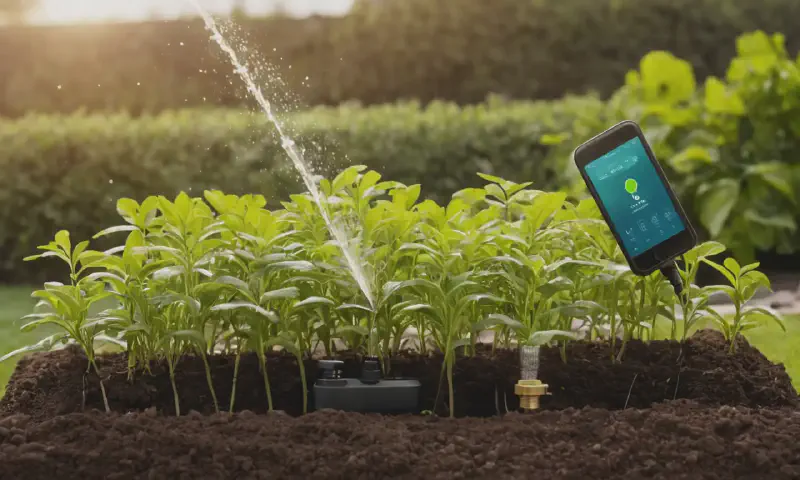
Innovative technologies are revolutionizing irrigation, offering unprecedented precision and efficiency in water management. Precision irrigation systems utilize sensors and data analytics to monitor soil moisture, weather conditions, and plant water stress in real-time. This data informs precise water application, minimizing waste and maximizing crop yields. Remote sensing, employing satellite imagery and aerial drones, provides large-scale monitoring of water needs across entire fields or regions, allowing for targeted interventions and efficient resource allocation. Furthermore, the integration of AI and machine learning algorithms optimizes irrigation scheduling and water distribution, predicting future water requirements and adapting irrigation strategies to changing conditions. These technologies, while initially requiring investment, promise significant long-term returns through reduced water consumption, increased crop productivity, and minimized environmental impact.