Summary
This blog post advocates for water-wise gardening, highlighting its environmental, economic, and aesthetic benefits. It emphasizes xeriscaping techniques, including using drought-tolerant native plants, efficient irrigation (drip or soaker hoses), greywater recycling, and mulching to conserve water. The post also details how to improve soil structure, select appropriate plants based on climate and soil type, and optimize lawn care through grass selection, mowing height, aeration, and fertilization, ultimately creating a beautiful, sustainable garden with significantly reduced water consumption.
Water-Wise Gardening: A Greener, Thriftier, and More Beautiful Landscape
Water is a precious resource, and in many parts of the world, its availability is becoming increasingly strained. Our landscapes, often thirsty consumers of water, contribute significantly to this problem. Water-wise gardening offers a solution, allowing us to create beautiful and thriving gardens while significantly reducing water consumption. The benefits extend beyond simply saving water; embracing water-wise practices offers substantial environmental, economic, and aesthetic advantages.
Environmentally, conserving water in our gardens helps protect our local ecosystems. Reduced water usage lessens the strain on aquifers and surface water supplies, preserving these vital resources for future generations. It also minimizes the energy required for water pumping and treatment, reducing our carbon footprint. Economically, water-wise gardening translates to lower water bills, a significant saving in the long run. The initial investment in water-efficient systems and drought-tolerant plants may seem higher, but the long-term cost savings are substantial.
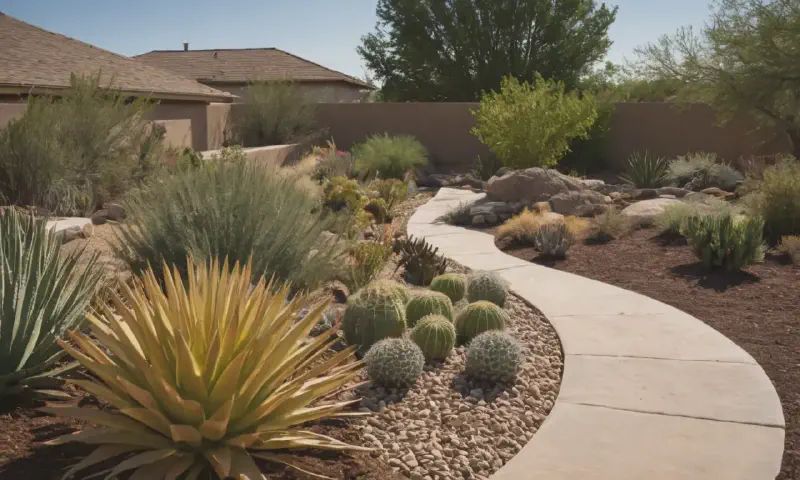
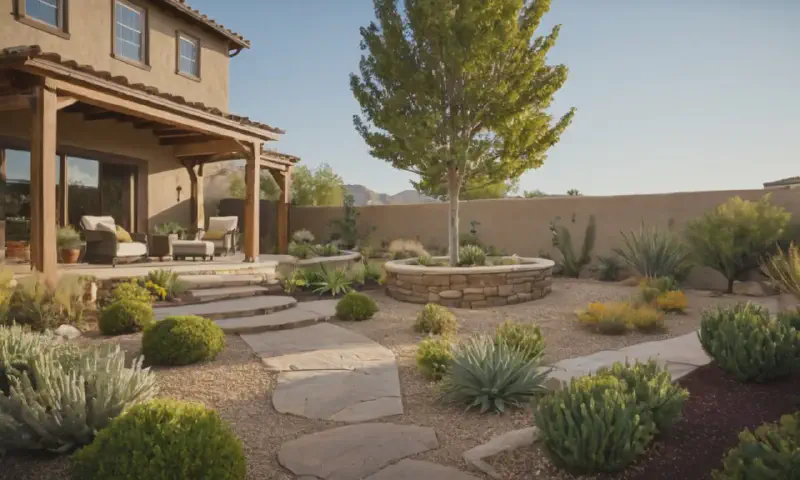
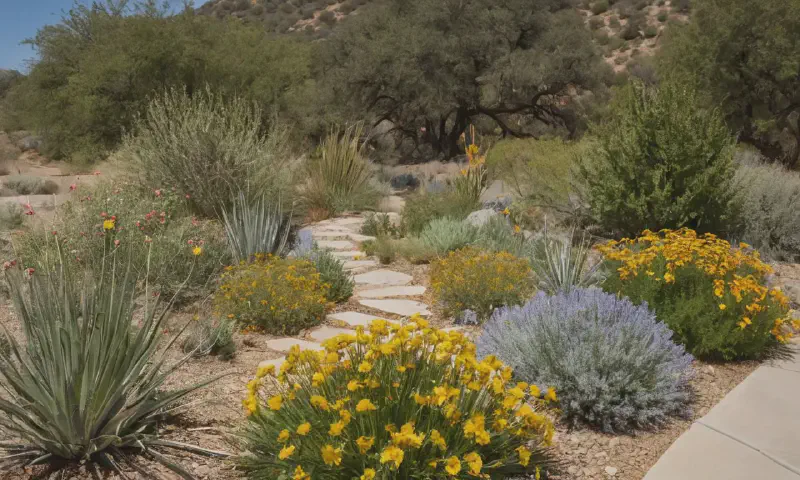
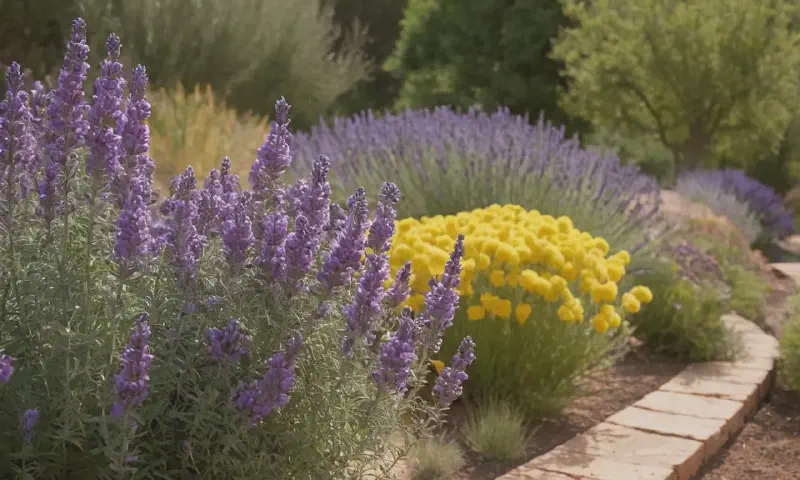
Aesthetically, a water-wise garden can be just as beautiful, if not more so, than a traditional water-intensive landscape. By focusing on drought-tolerant plants and thoughtful design, you can create a vibrant and visually appealing space that requires minimal watering. The key is to embrace principles like xeriscaping, a landscaping approach that minimizes or eliminates the need for supplemental irrigation. Xeriscaping utilizes native plants, efficient irrigation techniques, and soil improvement to create a sustainable and beautiful garden. Central to xeriscaping is the selection and use of drought-tolerant plants, species that are naturally adapted to arid or semi-arid conditions and require minimal watering once established. These plants not only conserve water but often boast unique textures, colors, and forms, adding a distinctive character to your landscape. By understanding and implementing these principles, we can transform our gardens into havens of beauty while simultaneously contributing to a more sustainable future.
Practical Techniques for Water Conservation
Efficient irrigation is paramount in water-wise gardening. Traditional sprinkler systems often waste significant amounts of water through evaporation and runoff. Far superior are drip irrigation systems, which deliver water directly to the roots of plants, minimizing water loss. These systems use a network of tubes and emitters to slowly release water, allowing for deep and thorough hydration. Soaker hoses offer a simpler, less expensive alternative, providing a gentle, consistent watering along their length. Both methods significantly reduce water consumption compared to sprinklers.
Greywater recycling represents another powerful tool for water conservation. Greywater, the relatively clean wastewater from showers, sinks, and laundry machines, can be repurposed to irrigate your garden. A properly installed greywater system filters and directs this water to your plants, reducing your reliance on municipal water supplies. However, it’s crucial to understand local regulations and implement appropriate filtration to prevent the spread of pathogens.
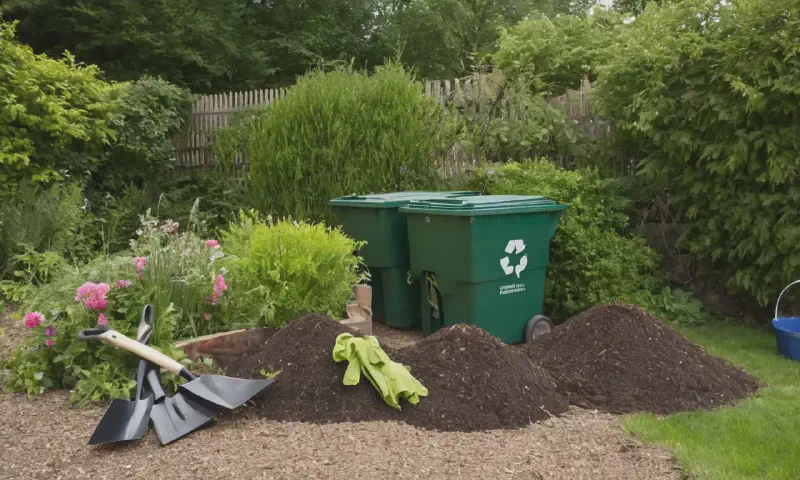
Mulching plays a vital role in water conservation. A layer of organic mulch, such as wood chips, shredded bark, or compost, helps retain soil moisture by reducing evaporation. Mulch also suppresses weeds, which compete with your plants for water and nutrients. A 2-4 inch layer of mulch around your plants can dramatically reduce the frequency of watering.
Improving soil structure is essential for better water retention. Healthy soil with good drainage and organic matter holds water more effectively. Adding compost, aged manure, or other organic amendments improves soil structure, increasing its water-holding capacity. This allows plants to access water more readily, reducing the need for frequent watering. Regular soil testing can help determine the specific needs of your soil and guide your amendment choices. By combining these techniques, you can create a garden that thrives with significantly less water than traditional landscaping methods.
Selecting and Using Drought-Tolerant Plants
Choosing the right plants is crucial for a successful water-wise garden. Drought-tolerant plants, also known as xeric plants, are adapted to survive with minimal supplemental watering once established. Selecting native plants is often the best approach, as they are naturally suited to your local climate and soil conditions, requiring less water and maintenance than non-native species.
The selection process should consider your specific climate, soil type, and sun exposure. For example, in hot, dry climates, succulents like agave and sedum thrive, while in Mediterranean climates, lavender, rosemary, and olive trees are excellent choices. For areas with cooler, wetter climates, consider native grasses, ferns, or woodland wildflowers. Researching plants native to your region will provide a wealth of options suited to your specific conditions. Local nurseries and botanical gardens are invaluable resources for identifying suitable native plants.
Soil type also plays a significant role. Well-drained sandy soils require different plants than heavy clay soils. Sandy soils tend to dry out quickly, necessitating plants with deep root systems to access moisture. Clay soils, on the other hand, can retain too much water, potentially leading to root rot. Plants tolerant of clay soils often have shallow root systems or are adapted to wetter conditions. Understanding your soil type will help you select plants that will thrive without excessive watering.
Proper plant spacing and grouping are essential for water efficiency. Overcrowding leads to competition for water and nutrients, while insufficient spacing can hinder growth and increase susceptibility to disease. Group plants with similar water requirements together to simplify irrigation and ensure even moisture distribution. Consider using companion planting, where plants with different root depths complement each other, maximizing water uptake. For example, pairing shallow-rooted plants with deep-rooted plants can help utilize water resources more effectively. Careful planning and selection of drought-tolerant plants, tailored to your specific environment, will create a beautiful and sustainable garden that requires minimal watering.
Lawn Care for Water Conservation
Lawns, often a significant water consumer, can be managed more efficiently. Choosing the right grass type is crucial. Native grasses, adapted to local conditions, require less water than non-native turfgrasses. Consider fescue or buffalo grass for drought-prone areas. Adjusting mowing height is also important; taller grass shades the soil, reducing evaporation. Mow at the highest setting recommended for your grass type. Aeration improves water penetration, allowing roots to access moisture more effectively. Regular aeration, especially in compacted soils, is beneficial. Finally, proper fertilization promotes healthy, drought-resistant growth. Use slow-release fertilizers to avoid burning the grass and minimize nutrient runoff. By implementing these practices, you can maintain a healthy lawn while significantly reducing water usage.